
Embark on a journey to discover eco-friendly home improvement contractors who are dedicated to sustainable practices and environmentally friendly solutions. From tips on researching to insights on hiring, this guide covers all you need to know about finding the perfect contractor for your eco-conscious home improvement projects.
Explore the different types of eco-friendly options available, understand the process of hiring eco-friendly contractors, and delve into the world of sustainable materials for your next home improvement endeavor.
Researching Eco-Friendly Home Improvement Contractors
When looking for eco-friendly home improvement contractors, it's essential to do thorough research to ensure you are selecting a reputable and environmentally conscious company.List of Reputable Websites:
- Green Home Guide: A platform that connects homeowners with green contractors and provides valuable resources on sustainable building practices.
- Green Building Advisor: Offers a directory of green building professionals who specialize in eco-friendly home improvements.
- LEED Directory: A database of contractors who are LEED certified and follow environmentally-friendly construction practices.
Tips for Verifying Credibility:
- Check for Certifications: Look for contractors with certifications such as LEED, Energy Star, or other recognized eco-friendly certifications.
- Review Past Projects: Ask for examples of previous eco-friendly projects and check references to ensure quality work.
- Research Online Reviews: Check online review platforms and testimonials from previous customers to gauge customer satisfaction and reputation.
Importance of Checking Certifications and Reviews:
Verifying certifications and reviews before choosing a contractor is crucial as it ensures that the contractor follows sustainable practices and has a track record of delivering high-quality eco-friendly home improvements. By checking certifications, you can be confident that the contractor is knowledgeable about green building standards and will use environmentally-friendly materials and techniques.
Types of Eco-Friendly Home Improvement Options
When it comes to home improvement projects, choosing eco-friendly options can not only benefit the environment but also enhance the overall quality of your living space. Here are some eco-friendly home improvement options to consider:Energy-Efficient Appliances
- Energy-efficient appliances consume less energy, reducing your utility bills and carbon footprint.
- They are designed to operate more efficiently, using advanced technologies to conserve energy without compromising performance.
- Upgrading to energy-efficient appliances can lead to long-term savings and contribute to a more sustainable lifestyle.
Sustainable Materials
- Using sustainable materials such as bamboo, reclaimed wood, or recycled glass can help reduce environmental impact.
- These materials are often durable, non-toxic, and sourced from renewable resources, making them eco-friendly choices for home improvement projects.
- Investing in sustainable materials can add value to your home while promoting a greener and healthier living environment.
Hiring Eco-Friendly Contractors
When it comes to hiring eco-friendly contractors for your home improvement project, there are a few key steps to keep in mind to ensure a smooth process.
Contacting and Requesting Quotes
Before reaching out to eco-friendly contractors, make a list of potential candidates based on reviews, recommendations, and their eco-friendly practices. Contact them via phone or email to request quotes for your project.
- Clearly Artikel the scope of work and your expectations for eco-friendly materials and practices.
- Ask about their experience with eco-friendly projects and any certifications they may hold.
- Request a detailed breakdown of costs and timeline for the project.
Negotiating Pricing and Discussing Options
When discussing pricing with eco-friendly contractors, keep in mind that sustainable materials and practices may come at a premium. However, there are ways to negotiate and find a balance:
- Ask about potential cost-saving options without compromising sustainability.
- Discuss the long-term benefits of eco-friendly materials in terms of energy efficiency and durability.
- Consider the overall value and impact on the environment when making pricing decisions.
Importance of Clear Communication and Expectations
Clear communication is crucial when working with eco-friendly contractors to ensure your vision aligns with their practices:
- Discuss specific eco-friendly requirements and ensure they are included in the contract.
- Set realistic expectations for the project timeline and any potential challenges that may arise.
- Regularly communicate with the contractor to address any concerns or updates throughout the project.
Sustainable Materials for Home Improvement
When it comes to eco-friendly home improvement projects, choosing sustainable materials is key to reducing environmental impact and promoting a greener lifestyle. These materials are not only better for the planet but also offer durability and long-term benefits.Bamboo
Bamboo is a popular sustainable material used in home improvement projects due to its rapid growth and renewability. It is known for its strength, durability, and versatility, making it an excellent choice for flooring, furniture, and even cabinetry.Recycled Glass
Recycled glass is another eco-friendly option that is gaining popularity in home improvement. This material is made from post-consumer glass, which helps reduce waste in landfills. Recycled glass can be used for countertops, tiles, and even decorative accents.Reclaimed Wood
Reclaimed wood is sourced from old buildings, barns, or warehouses, giving it a unique and rustic charm. Using reclaimed wood in home improvement projects not only adds character but also helps reduce deforestation. It can be used for flooring, paneling, and furniture.Cork
Cork is a sustainable material harvested from the bark of cork oak trees. It is a renewable resource that regenerates over time, making it an eco-friendly choice for flooring, insulation, and wall coverings. Cork is also known for its natural insulating properties and sound absorption.Cost Considerations
While sustainable materials may have a higher upfront cost compared to traditional materials, they often prove to be cost-effective in the long run due to their durability and energy efficiency. Additionally, the availability of sustainable materials may vary depending on location, so it's essential to research suppliers and options in your area.Final Conclusion
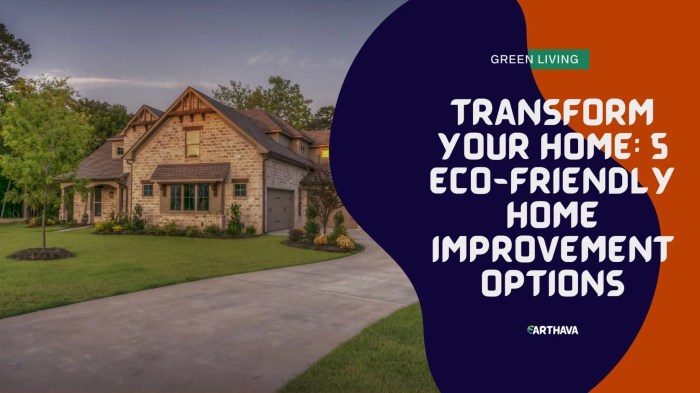
In conclusion, choosing eco-friendly options for your home improvement projects not only benefits the environment but also enhances the quality and sustainability of your living space. By working with reputable contractors and utilizing sustainable materials, you can create a home that is both eco-conscious and aesthetically pleasing.
User Queries
How can I verify the credibility of eco-friendly home improvement contractors?
You can check for certifications, read reviews from previous clients, and inquire about the contractor's eco-friendly practices.
What are the benefits of choosing eco-friendly options for home improvement projects?
Eco-friendly options can lead to energy savings, reduced environmental impact, and a healthier living environment for you and your family.
How do I negotiate pricing with eco-friendly contractors?
You can discuss your budget upfront, compare quotes from different contractors, and inquire about any potential discounts for eco-friendly options.
What are some sustainable materials commonly used in eco-friendly home improvement projects?
Common sustainable materials include bamboo flooring, recycled glass countertops, and reclaimed wood for furniture.
Are eco-friendly home improvement options cost-effective in the long run?
Yes, eco-friendly options may have a higher upfront cost but can lead to long-term savings through energy efficiency and durability.




![Tips For First-Time Homebuyers [INFOGRAPHIC]](https://homeimprovement.radargarut.id/wp-content/uploads/2026/02/31856-untitled-1-120x86.jpg)
