
Exploring ways to enhance energy efficiency in Northern homes can lead to significant cost savings and a reduced environmental footprint. From insulation upgrades to renewable energy solutions, this guide will delve into practical tips and strategies for homeowners looking to make their homes more eco-friendly and comfortable in colder climates.
Introduction to Northern Home Improvement for Energy Efficiency
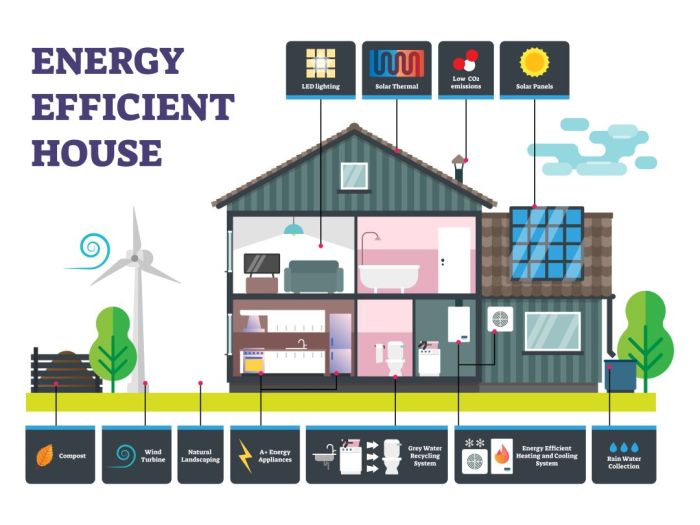
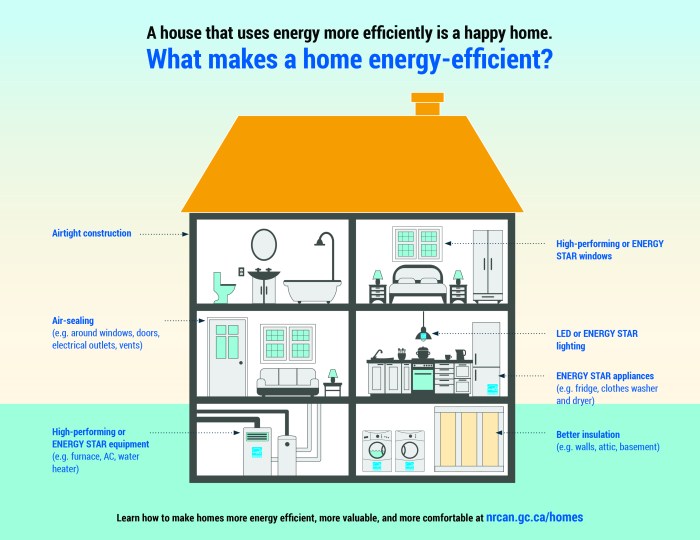
Energy efficiency in home improvement refers to the implementation of upgrades and modifications that reduce the amount of energy required to maintain a comfortable living environment. This can include enhancements to insulation, windows, heating systems, appliances, and more.
Energy efficiency is particularly crucial in Northern climates where harsh winters and long periods of cold weather can lead to high heating costs. By making homes more energy-efficient, residents can lower their utility bills, reduce their carbon footprint, and improve the overall comfort and sustainability of their living spaces.
Benefits of Energy-Efficient Upgrades for Northern Homes
- Lower Energy Costs: Energy-efficient upgrades can significantly reduce heating expenses during the cold winter months, leading to long-term savings for homeowners.
- Improved Comfort: Better insulation and efficient heating systems can help maintain consistent temperatures throughout the home, creating a more comfortable living environment.
- Environmental Impact: By consuming less energy, energy-efficient homes contribute to lower greenhouse gas emissions and help mitigate climate change.
- Increased Home Value: Energy-efficient upgrades can enhance the resale value of a home, as more buyers are looking for properties with lower operating costs and environmental benefits.
Insulation Upgrades
Proper insulation is crucial for Northern homes to maintain a comfortable indoor temperature, reduce energy costs, and increase overall energy efficiency. Without adequate insulation, cold air can seep in during the winter months, causing heating systems to work harder and driving up utility bills.Types of Insulation Materials
- Fiberglass: A common and cost-effective option that is easy to install. It comes in batts or rolls and provides good thermal resistance.
- Cellulose: Made from recycled paper and treated with fire retardants, cellulose insulation is eco-friendly and offers excellent resistance to airflow.
- Spray Foam: Provides a tight seal and high R-value, making it a great choice for sealing gaps and cracks in attics and walls.
- Rigid Foam: Ideal for insulating basements and crawl spaces, rigid foam boards offer high thermal resistance and moisture resistance.
Tips for Effective Insulation
- Seal Air Leaks: Before adding insulation, seal any gaps or cracks in walls, windows, and doors to prevent air leakage.
- Insulate Attics: Adding insulation in the attic can prevent heat loss through the roof and improve overall energy efficiency.
- Insulate Walls: Consider adding insulation in exterior walls to reduce heat transfer and maintain a consistent indoor temperature.
- Insulate Basements: Insulating basement walls can help regulate temperature and prevent moisture issues, especially in below-grade spaces.
Window and Door Improvements
Windows and doors play a crucial role in the energy efficiency of a home. They are key areas where heat can easily escape during the winter and enter during the summer, impacting the overall comfort and energy consumption of a Northern home.
Choosing Energy-Efficient Windows and Doors
When selecting windows and doors for your Northern home, consider factors such as the U-factor, solar heat gain coefficient, and visible transmittance. Look for Energy Star certified products that are specifically designed for cold climates to ensure maximum efficiency.
- Opt for double or triple-pane windows with low-emissivity coatings to reduce heat transfer.
- Choose doors with proper weatherstripping and insulation to prevent drafts.
- Consider installing storm doors and windows for an extra layer of protection against the elements.
Sealing Windows and Doors
Properly sealing windows and doors is essential to prevent heat loss and improve energy efficiency in your home. Here are some tips to help you seal them effectively:
- Use weatherstripping to seal gaps around windows and doors to prevent air leaks.
- Apply caulking to seal any cracks or openings in the frames of windows and doors.
- Install draft stoppers or door sweeps to block drafts at the bottom of doors.
- Consider using thermal curtains or blinds to further insulate windows and reduce heat loss.
Heating System Optimization
Optimizing your heating system is crucial for energy efficiency, especially in Northern climates where winters can be harsh. By exploring efficient heating options and comparing different systems, you can make informed decisions to reduce energy consumption and costs.
Efficient Heating Options
When considering heating options for your home, it's important to look for systems that are both effective and energy-efficient. Some common options include:
- High-efficiency furnaces: These systems use advanced technology to maximize heat output while minimizing fuel consumption.
- Heat pumps: Heat pumps are a versatile option that can both heat and cool your home efficiently, using electricity to move heat rather than generating it.
- Geothermal heating: This eco-friendly option utilizes the stable temperature of the earth to heat your home, providing consistent and efficient heating.
Maintaining and Optimizing Heating Systems
Regular maintenance is key to ensuring your heating system operates at its best. Here are some tips for maintaining and optimizing your heating system:
- Schedule annual inspections and tune-ups to keep your system running efficiently.
- Change air filters regularly to maintain optimal airflow and efficiency.
- Consider upgrading to a programmable thermostat to better control your heating system and reduce energy waste.
- Seal ducts to prevent heat loss and ensure that warm air reaches its intended destination.
Renewable Energy Solutions
When it comes to making Northern homes more energy-efficient, considering renewable energy solutions is key. These options not only help reduce utility bills but also contribute to a more sustainable environment.
Solar Panels
Installing solar panels on the roof of a Northern home can harness the power of the sun to generate electricity. This renewable energy source can significantly reduce reliance on traditional grid power, especially during sunny days. It is important to consider the angle and placement of solar panels to maximize their efficiency in colder climates.
Geothermal Heating
Geothermal heating systems utilize the consistent temperature underground to heat a home in the winter and cool it in the summer. By tapping into this renewable energy source, homeowners can enjoy efficient heating and cooling while reducing their carbon footprint. Proper insulation and distribution systems are crucial for optimal performance in Northern regions.
Wind Turbines
For homeowners with enough land space, wind turbines can be a viable option for generating electricity. Wind energy is a clean and renewable source that can complement other energy-efficient upgrades in a Northern home. Factors such as wind speed and turbine placement need to be carefully considered for effective energy production in colder climates.
Closure
In conclusion, implementing these Northern home improvement ideas for energy efficiency can not only make your home more sustainable but also create a more comfortable living environment. By investing in these upgrades, you are not only reducing your energy bills but also contributing to a greener future for all.
FAQ Resource
What are the benefits of energy-efficient upgrades for Northern homes?
Energy-efficient upgrades can help reduce energy consumption, lower utility bills, and create a more comfortable living space, especially in colder climates.
How can I choose energy-efficient windows and doors for my Northern home?
Look for windows and doors with high energy efficiency ratings, such as ENERGY STAR certified products, to ensure optimal performance in cold weather.
What are some tips for maintaining and optimizing heating systems in Northern homes?
Regular maintenance, proper insulation, and programmable thermostats can help optimize heating systems for better energy efficiency in colder climates.
Are there any specific considerations for implementing renewable energy solutions in cold climates?
In cold climates, it's important to ensure that renewable energy systems are designed to withstand harsh weather conditions and maximize energy production during winter months.




![Tips For First-Time Homebuyers [INFOGRAPHIC]](https://homeimprovement.radargarut.id/wp-content/uploads/2026/02/31856-untitled-1-120x86.jpg)
